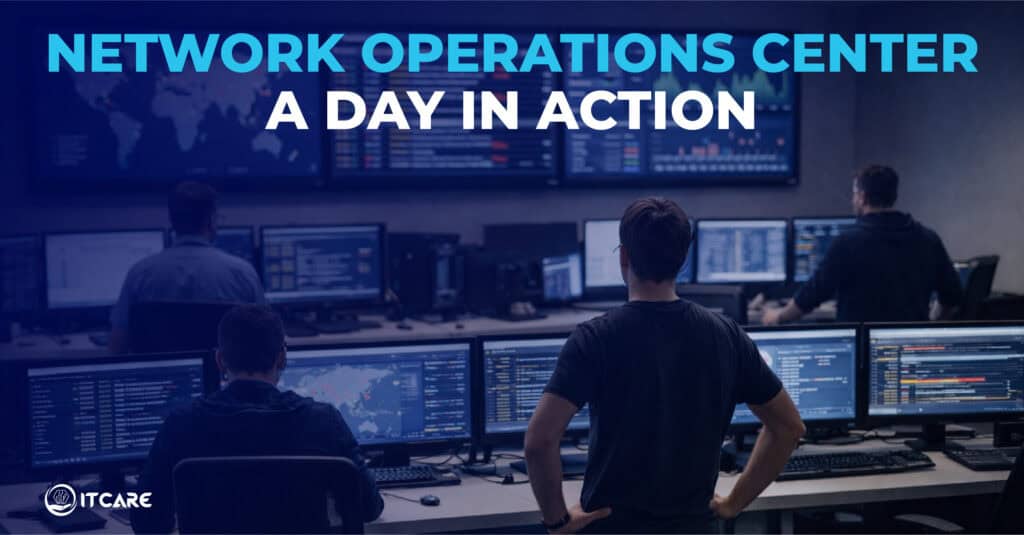
A DAY INSIDE A NETWORK OPERATIONS CENTER
From the outside, a Network Operations Center can look deceptively calm. Screens glow quietly. Alerts flicker. Engineers sit focused, often in silence. Yet beneath that calm surface, there is constant evaluation, correlation, and decision making.
A typical day rarely follows a script because networks are living systems. Overnight changes must be reviewed. Alerts require validation. Maintenance windows need preparation. Performance trends are continuously examined since small deviations today can become major incidents tomorrow.
Much of the work is invisible to anyone outside the NOC. False positives are filtered. Transient anomalies are investigated. Patterns are recognized long before they evolve into customer facing problems. Preventive action often matters more than reactive troubleshooting because stability is built through anticipation, not only response.
When incidents do occur, the pace shifts instantly. Context becomes critical. Telemetry, routing behavior, logs, and recent changes must be mentally assembled into a coherent picture. Technical skill is essential, although clarity of communication and structured thinking frequently determine how quickly resolution is achieved.
Between incidents, there is no idle time. Documentation is refined. Automation is improved. Thresholds are adjusted. Every quiet hour is an investment into the next unexpected event.
Operating a Network Operations Center is not defined by dramatic outages. It is defined by disciplined consistency, attention to weak signals, and countless small decisions that users never notice precisely because the network continues to work.