CISCO ROUTING POLICIES: POWERFUL BUT PAINFUL TO EDIT
At ITcare we work daily across many platforms and I am comfortable operating networks regardless of vendor. Cisco, Juniper Networks, Arista Networks, HPE Aruba Networking, Nokia, IP Infusion and other beasts are all part of the environments we manage. That said, I am still far more fluent on Juniper and Arista, and this becomes very visible every time I have to work with routing policies on Cisco.
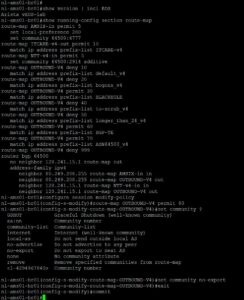
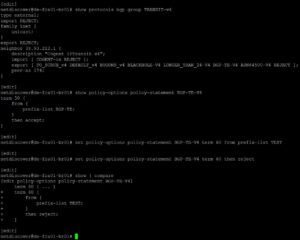
On most platforms, routing policies are simple to work with. You can edit them directly from the CLI, adjust a few lines, commit, and move on. This works on Juniper, Arista, Nokia, Huawei, and many others. It feels natural, fast, and safe for day to day operations.
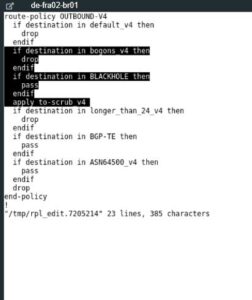
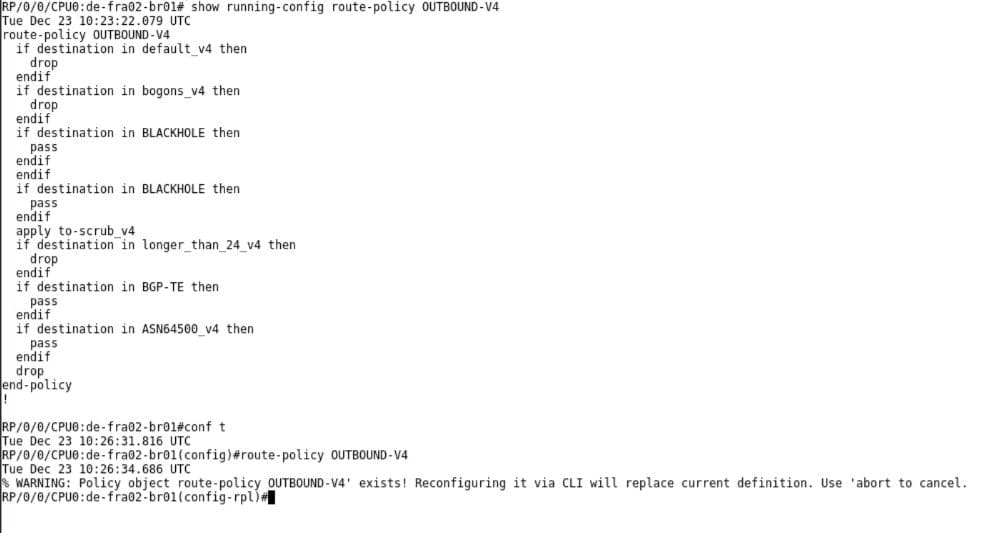
On Cisco, it is different. If you want to modify a route policy without fully rewriting it, you often end up editing it through a text editor like vim or nano. Navigating through long policy files, following IF, ELSE, and ELSEIF logic, changing a single condition while making sure nothing else breaks, for me this is painful. I like the flexibility of Cisco route policies, but the editing experience feels unnecessarily complex.
Maybe I am missing something. Maybe there is a hidden, super secret command that suddenly unlocks clean, interactive CLI editing, and I just have not discovered it yet.
What I do not understand is why this has to be one way only. Why not allow both approaches. Text based editing for automation and scripting, and direct CLI editing for engineers who need to make quick, controlled changes.
I am genuinely curious.
Am I the only one who dislikes this approach?
How do you handle routing policy changes on Cisco routers at scale?