WHY TIER 2 TRANSIT CAN OUTPERFORM TIER 1
A partner of ours had been running Tier 1 only transit for years. Few global names, well-known worldwide, spread across multiple countries and continents, standard for Tier 1s. Recently we convinced them to add a Tier 2. After turning it up, most of their traffic had shifted to the new path. Same destinations, shorter routes, lower latency.
The case for Tier 2 in 2026 is one I keep finding myself making. Most Tier 1s have quietly stepped back from IXPs a long time ago. The dense peering lives at the Tier 2 layer now, public exchanges, private interconnects, and increasingly programs like Google’s VPP Verified Peering Provider. If your traffic profile is anything close to a normal mix of content and consumer destinations, a well-peered Tier 2 will quietly, usually, outperform a Tier 1 for most of your traffic.
Our partner turned up Inter.link. Ciprian Abaseaca on their side made the onboarding painless, a sales contact holding CCNA and who actually speaks BGP, is rarer in this industry than it should be.
𝗧𝗵𝗲 𝗯𝗶𝗴𝗴𝗲𝗿 𝘀𝘂𝗿𝗽𝗿𝗶𝘀𝗲 𝘄𝗮𝘀 𝘁𝗵𝗲 𝗽𝗼𝗿𝘁𝗮𝗹.
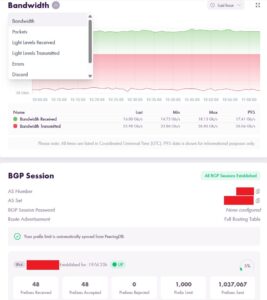
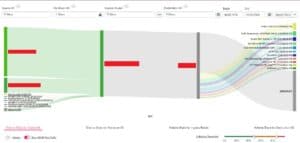
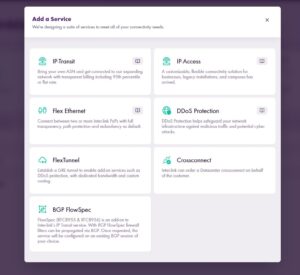
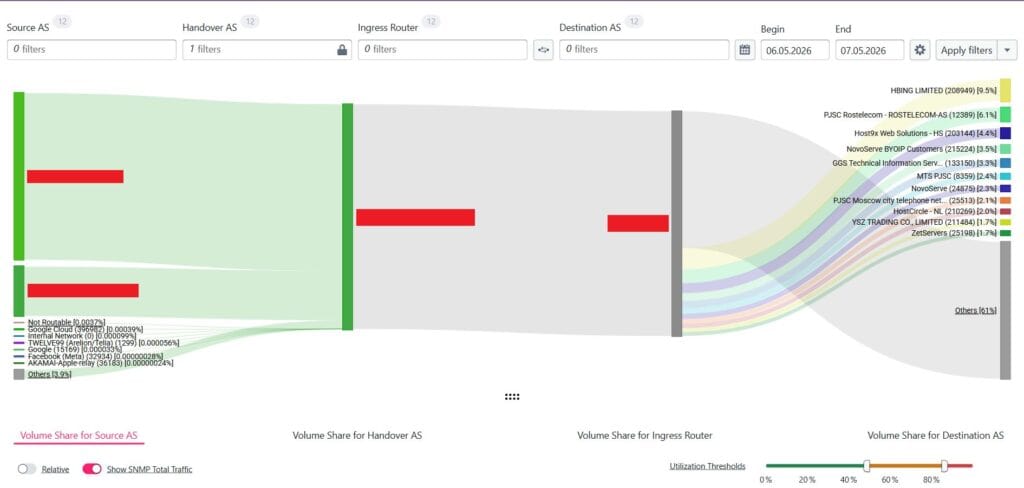
I’ve posted before about how bad most transit provider portals are, half-built, missing the data that engineers actually need AND ticketing through email… Inter.Link‘s is a different category, providing a single pane of glass for all services, real-time traffic levels, full flow visibility (yes, flow data without running your own analyzer, which a surprising number of operators don’t), value-added services configurable in the UI and live in minutes, LoAs and provisioning automated end to end. What used to be days of back and forth between sales and engineering is closer to an hour.
Kudos to the Inter.link team for a solid network, and a portal that stands out. In my experience, portals worth using, fit on the fingers of one hand. This is one of them.